
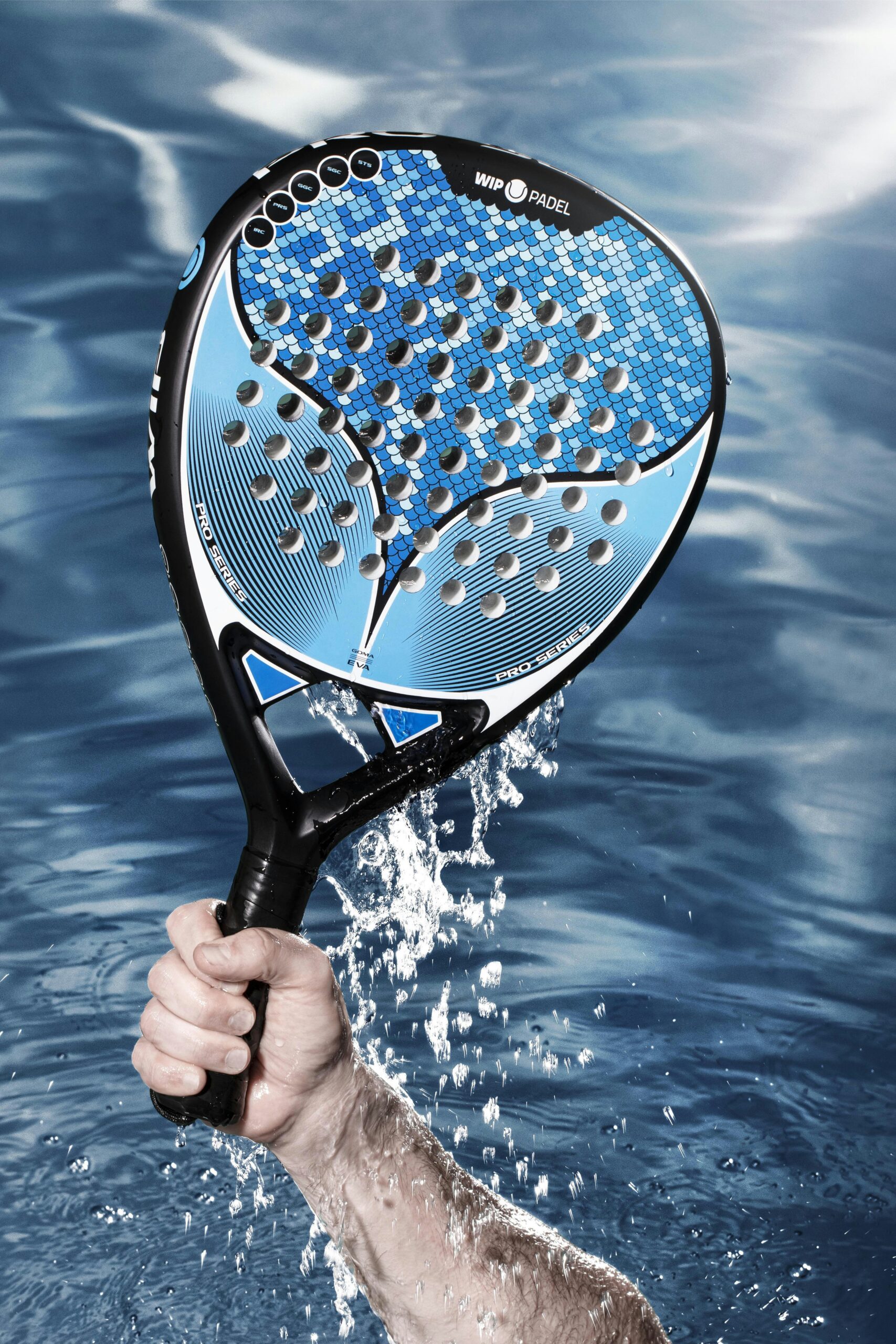
Padel grew up in Spain. Walk into any club in Madrid or Barcelona and you’ll find players who treat ball selection with the same seriousness they’d give a racket choice. That culture of detail has shaped the global market — and it’s why Spanish brands still dominate the courts, from local club leagues to the World Padel Tour.
This guide covers what actually matters when choosing padel balls, which options are worth your money, and how playing conditions change everything.
What Makes a Padel Ball Different from a Tennis Ball?
Padel balls look almost identical to tennis balls, but they’re not the same. They’re pressurized slightly lower — typically between 4.6 and 5.2 kg/cm² — which gives them a softer, more controlled bounce suited to the enclosed glass-and-mesh court.
Key Factors to Consider
1. Pressure and Bounce
Official padel balls are tested to bounce between 135 and 145 cm when dropped from 2.54 meters — a standard set by the International Padel Federation. Balls that are too lively make the game frantic; too flat and the rhythm disappears.
Fresh-from-the-can balls are always closest to spec. The question is how quickly they lose pressure once opened — and this varies significantly between brands.
2. Felt Quality
The felt affects how the ball grips the racket strings and travels through the air. Thicker, denser felt gives more control but can slow down in humid conditions. Cheaper balls use thinner felt that wears unevenly, creating dead spots after a few sets. Spanish clubs typically cycle through balls faster than the packaging suggests — that’s not waste, that’s experience.
3. Playing Conditions
This is where most guides stop short. Temperature, surface type, and indoor vs. outdoor all change how a ball performs. We cover this in detail below.
4. Approved vs. Recreational
Balls approved by the World Padel Tour or the FIP have passed standardized testing. For club tournaments and league play, you’ll want approved balls. For casual games and training, recreational-grade balls do the job at lower cost.
Playing Conditions: What Actually Changes
Indoor Courts (Pista Cubierta)
Most club padel in Spain and across Europe is played indoors, especially in winter. Indoor conditions are more controlled — stable temperature, no wind, predictable humidity. Standard balls perform well here, and felt tends to last longer without weather stress. The main variable is court speed: faster artificial turf indoors means a livelier ball feels even more pronounced, so some players prefer slightly softer options.
Recommendation: Any FIP-approved ball works well indoors. Prioritize consistency over speed.
Outdoor Play — Warm Weather
Outdoor courts in summer, particularly in southern Spain, add heat and sun exposure to the equation. Heat increases internal pressure slightly, making balls bounce a touch higher and faster. Felt degrades quicker under UV and dry conditions, especially on abrasive artificial grass.
Recommendation: Choose balls with denser felt construction. Bullpadel and Head hold up better outdoors in heat. Replace balls more frequently — every 5–6 sets rather than 7–9.
Winter Outdoor Play
Cold is the enemy of padel balls. Below 10°C, internal pressure drops noticeably — balls feel dead, bounce low, and lose their characteristic pop. Some manufacturers produce specific cold-weather variants with slightly higher initial pressure to compensate. If you play outdoors in winter regularly, this is worth paying attention to.
Recommendation: Look for balls labeled “all conditions” or with higher pressure specification. Keep spare cans warm before use — leaving balls in a cold car boot is a common mistake that costs you a set’s worth of quality bounce before you’ve even noticed.
Beach Padel (Pádel Playa)
Beach padel uses a different ball entirely — lighter, with larger holes and lower pressure, designed for soft sand surfaces where a standard ball would sink and stall. If you’re playing on sand courts (increasingly popular at Spanish coastal clubs), standard balls won’t work properly.
Recommendation: Bullpadel and NOX both produce beach padel-specific balls. Don’t mix these up with standard court balls.
Top Padel Balls Worth Considering
Bullpadel Premium Pro
The most Spanish choice on this list — and for good reason. Bullpadel sponsors the World Padel Tour and develops their balls alongside professional players competing on the circuit. Consistent pressure, quality felt that wears evenly, and FIP approved. A reliable default for club players who want tour-adjacent performance without the tour price.
Best for: Club play, training, tournaments. The benchmark for mid-range quality.
Head Padel Pro S
Used on the WPT circuit and widely respected across European clubs. Slightly firmer feel than Bullpadel — suits players who prefer a faster, more direct game. Holds pressure well across sessions and in warm outdoor conditions.
Best for: Competitive club players, warm-weather outdoor courts.
NOX Competition Ball
NOX is a Spanish brand that has grown significantly alongside the padel boom. Their Competition ball is FIP approved and performs well across different court types. Slightly more forgiving on the arm than Head, which makes it a good option for longer training blocks.
Best for: Training sessions, all-round club use.
Adidas Tour
Adidas has invested in padel seriously in recent years, and their Tour ball reflects that. Lively feel, good performance in warm conditions, and solid construction. Tends to lose pressure slightly faster in cold weather, so better suited to indoor or warm outdoor play.
Best for: Indoor play, warm-weather outdoor courts, players who prefer a dynamic bounce.
Wilson Padel
A solid recreational option. Less common in Spanish clubs but popular in markets where padel is still growing. Good balance between softness and durability — slightly more forgiving for beginners developing their game.
Best for: Beginners, recreational play, social games.
Dunlop Pro Padel
One of the more durable options available. The felt resists pilling better than most competitors, which means these hold up across multi-hour sessions. Consistent and reliable, though the feel is less lively than Bullpadel or Head.
Best for: Training sessions, players who prioritise longevity over liveliness.
How Long Do Padel Balls Last?
Honest answer: it depends on conditions and intensity.
At WPT tournaments, balls are changed every 9 games. In club play, most serious players change every 6–7 games. For recreational use, a can might last two or three sessions before the bounce noticeably drops.
Storing balls in a pressurized ball-saver container slows the decline — it won’t restore lost pressure, but it extends usable life by a day or two. Worth having if you play multiple times per week.
Buying in Bulk
If you play twice a week or more, buying in cases of 24 or 36 balls makes financial sense. The per-ball cost drops meaningfully.
One practical note: check production dates when buying bulk online. Old stock can arrive partially depressurized, even unopened. Reputable retailers turn stock over quickly — less reputable ones don’t.
Quick Comparison
| Ball | Origin | Level | Durability | Feel | FIP Approved |
|---|---|---|---|---|---|
| Bullpadel Premium Pro | Spain | Club / Pro | High | Medium | Yes |
| Head Padel Pro S | Austria | Club / Pro | High | Firm | Yes |
| NOX Competition | Spain | Club | High | Medium | Yes |
| Adidas Tour | Germany | Club | Medium | Lively | Yes |
| Wilson Padel | USA | Recreational | Medium | Soft | Some models |
| Dunlop Pro Padel | UK | Training / Club | Very High | Medium | Yes |
Final Thoughts
Padel’s roots are Spanish, and that heritage shows in where the best equipment comes from. Bullpadel and NOX have earned their reputation on real courts with real players — not just marketing budgets. If you’re looking for a reliable default, either of those is a solid starting point.
Conditions matter more than most players account for. A ball that performs beautifully in a heated Madrid indoor club in January will behave quite differently on a coastal outdoor court in August. Matching your ball choice to where and when you play is a small adjustment that pays off across an entire season.
For official specifications and approved ball lists, the International Padel Federation publishes updated equipment standards on their website. Padel Magazine regularly tests and reviews new ball releases with independent performance breakdowns. For a look at what’s used at the highest level, the World Padel Tour site covers equipment across the professional circuit — a useful reference for any serious club player.