Let’s be honest: for most of my life, “exercise” felt like a dirty word. I’ve tried everything. I bought a gym membership that I used exactly twice. I tried running, but after five minutes, I was convinced my lungs were about to quit their job. I even tried yoga, but I spent more time checking the clock than actually focusing on my breathing. For a long time, I thought I just wasn’t a “sports person.”
But then, someone introduced me to Padel.
If you’ve never heard of it, imagine if tennis and squash had a baby, and that baby was way more chilled out and fun to hang out with. That’s Padel. It’s played on a smaller court with glass walls, and honestly, it’s a game-changer. Unlike tennis, where you spend 90% of the time picking up balls you hit over the fence, Padel keeps the ball in play. The walls are your best friends — they give you a second chance at every shot.
The First Encounter: “Is This Just Mini-Tennis?”
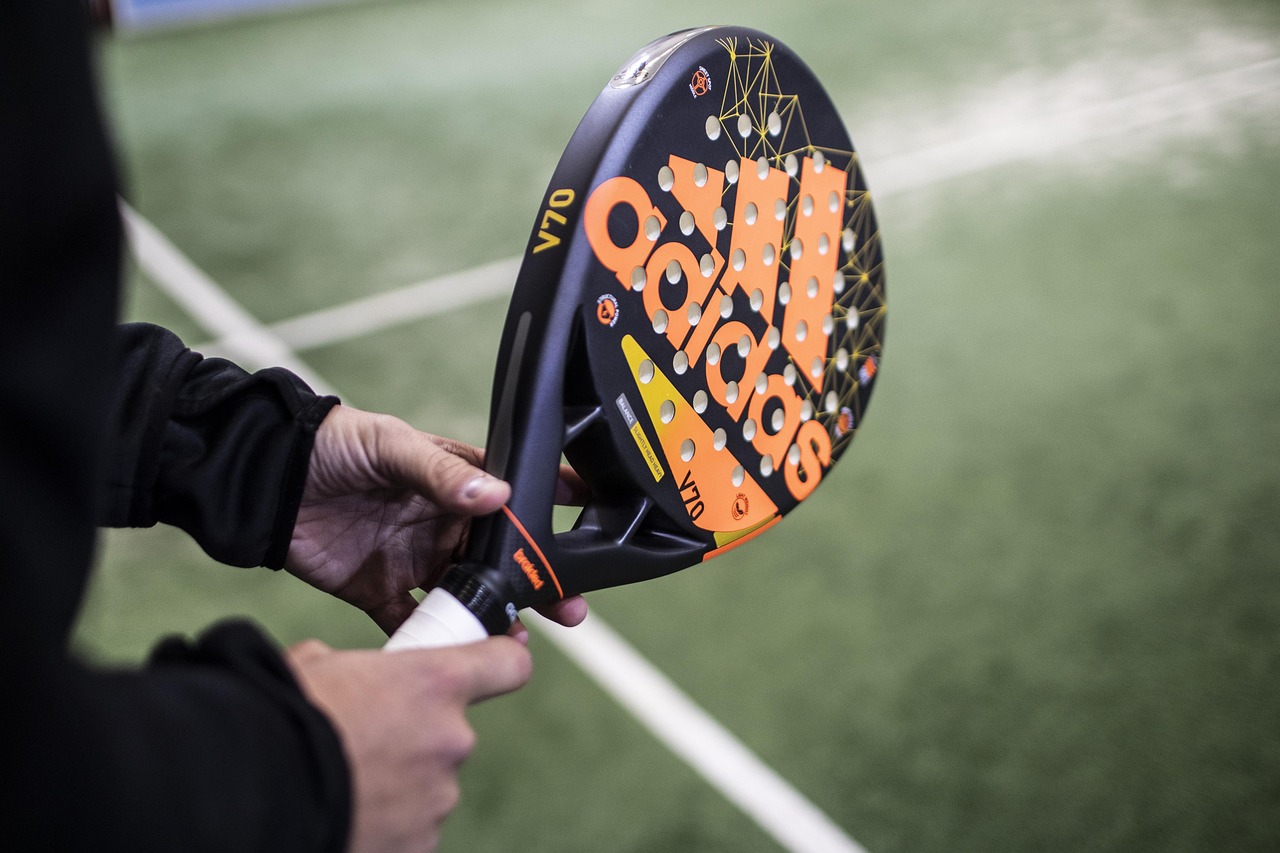
When I first walked up to the Padel court, I’ll admit I was skeptical. It looked like a shrunken version of a tennis court surrounded by glass walls. I thought, “Okay, how hard can this be?” My friend handed me a racket—which, by the way, looks like a giant, solid kitchen utensil with holes in it—and told me to just “have fun.”
The first thing you notice is the sound. Pock! Pock! Pock! It’s a satisfying, rhythmic noise that’s much deeper than the sharp twang of a tennis racket. Within five minutes, I realized that Padel is a game of patience, not just power. In tennis, if you hit the ball hard and it passes your opponent, the point is over. In Padel? The ball hits the back glass and comes flying back at you. It’s like playing against a wall that never gets tired.
Why It’s a “Social” Sport (And Why You’ll Love That)
This is the part where most of my friends usually get interested. Most sports are lonely. You run by yourself, you lift weights by yourself, or you play tennis and you’re 20 meters away from the other person. Padel is played exclusively in doubles (2 vs 2). The court is small enough that you can actually talk—or talk trash—to your opponents throughout the whole match.
It’s built for conversation. You’re close to your partner, you’re constantly strategizing, and because the rallies (the time the ball stays in the air) are so much longer than in other sports, you get this incredible adrenaline rush. You aren’t just running; you’re playing a giant game of “human chess” where the walls are your best friends.
Пастка «Легко навчитися, важко опанувати»
I’ve seen people who have never picked up a racket in their lives start playing actual matches after just 30 minutes of instruction. That’s the beauty of it. You don’t need years of expensive lessons to feel like you’re “good.” But don’t let that fool you—the better you get, the more you realize how deep the strategy goes. You start learning how to use the angles, how to hit a bandeja (a specific overhead shot), and how to survive a smash that looks like it’s going out of the park.